

Faltam para o Espada na Face 2026
O Espada na Face é um congresso de adoração, são 3 dias de intensa manifestação da glória de Deus sobre nós, com a palavra sendo liberada aos nossos corações. Ali se reúnem pessoas dos 4 cantos do Brasil, e até de outras nações.
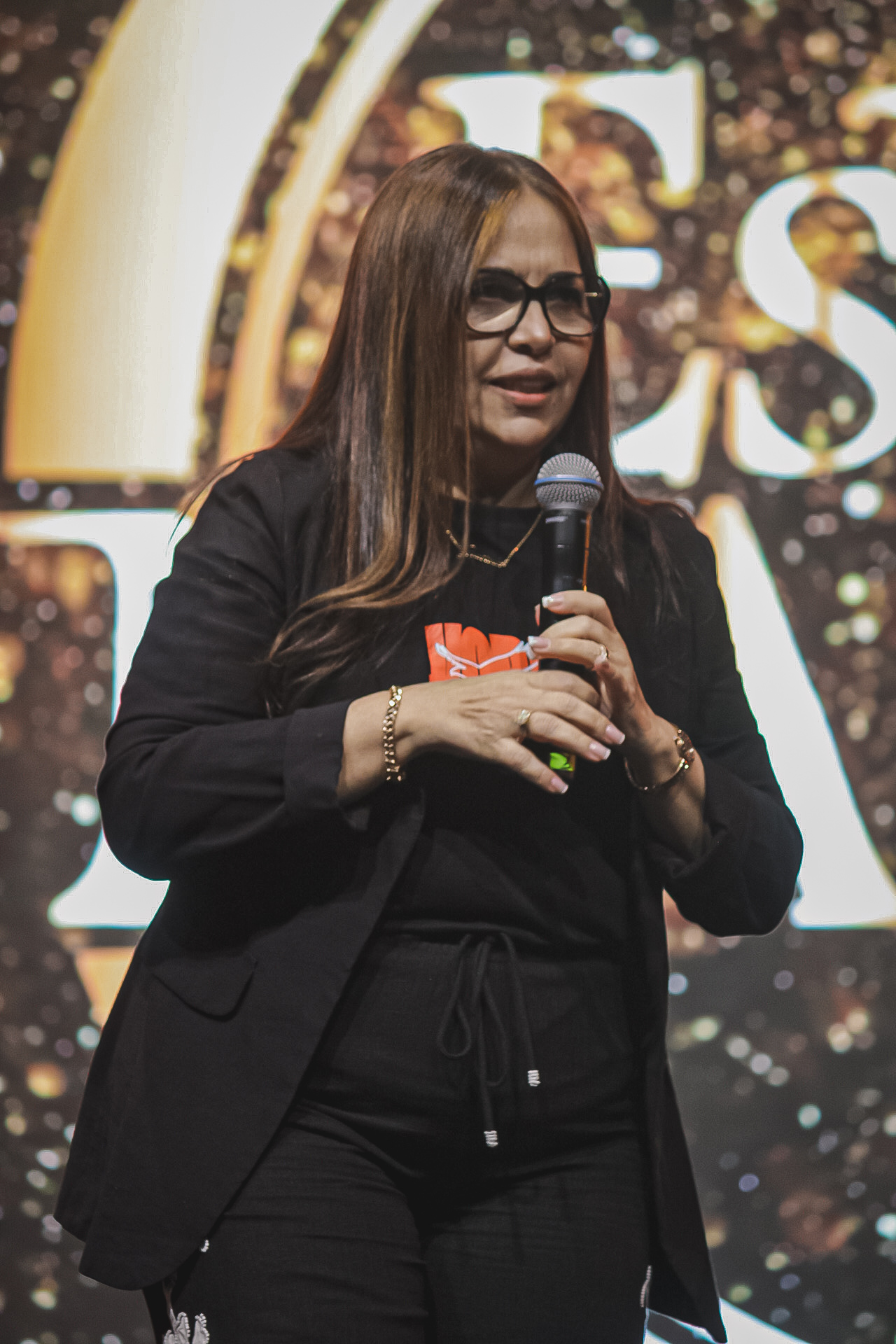
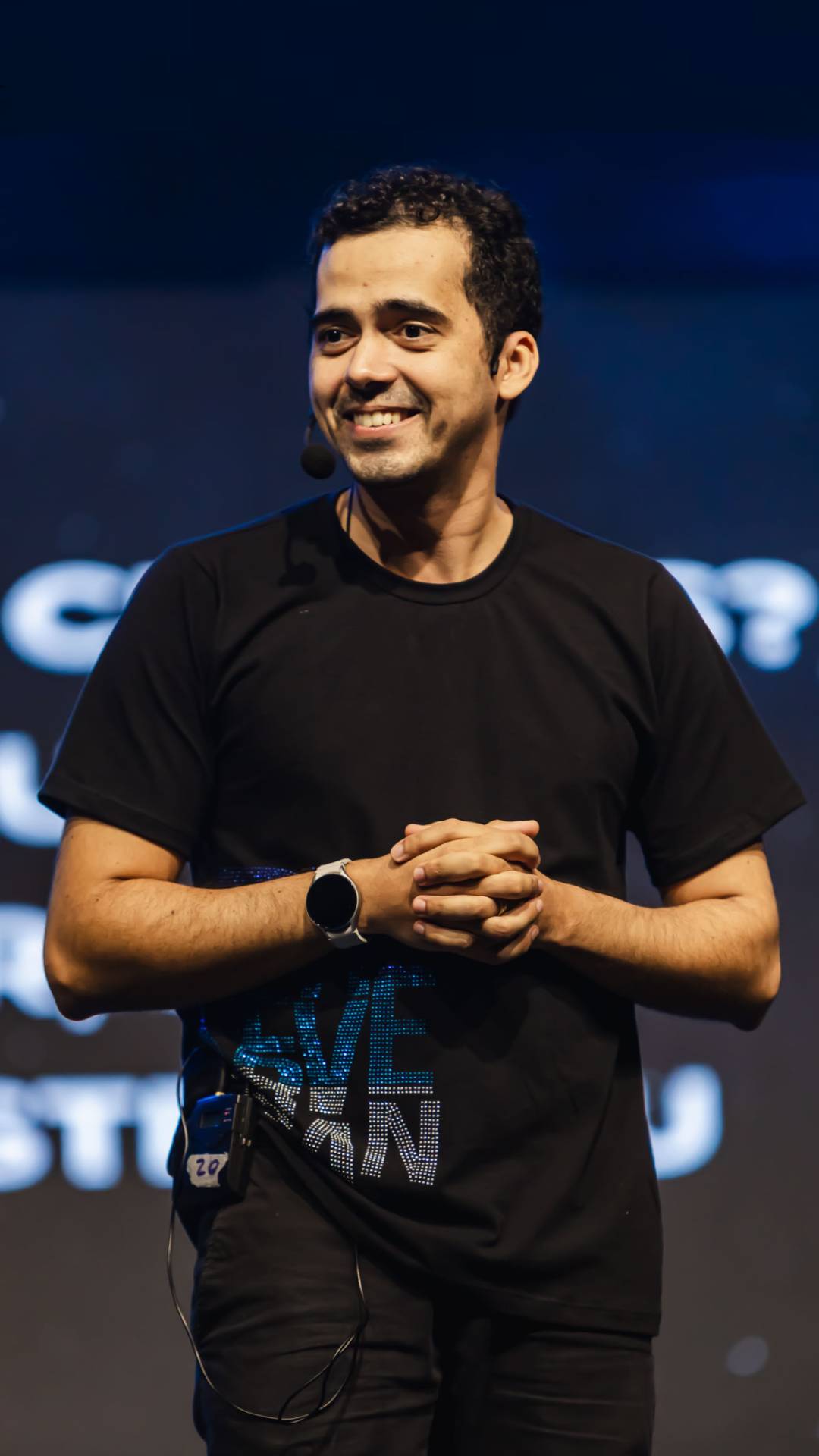

Tudo começou através de um sonho da nossa Ap. Rosânia Mofato, onde uma mulher (representando a igreja) estava com uma espada colada em seu rosto. Aquela espada era a palavra de Deus ligada aos 5 sentidos, levando a igreja a ter sensibilidade, a entender sua verdadeira missão e a manter uma vida de exclusividade no Senhor, mesmo em meio a esse mundo tão perverso.
A Ap. Rosânia tem impactado vidas e nações através do seu "sim" para Deus. Junto com seus filhos e pastores, João Victor e Victória Mofato, o congresso é prova viva de que é possível viver uma vida de exclusividade para Deus sem se contaminar com o mundo.
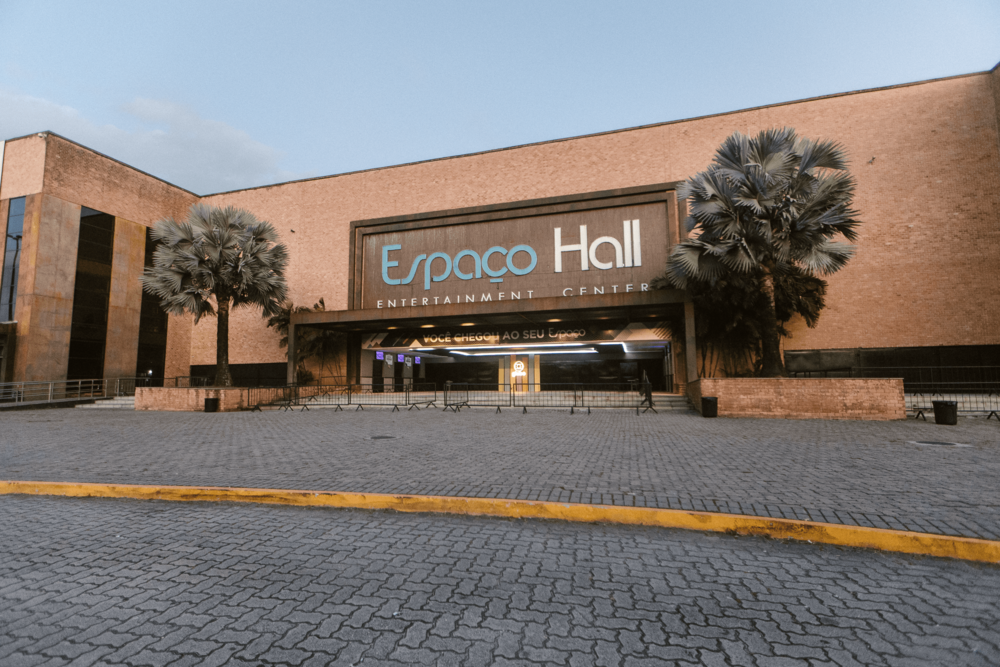
O Espaço Hall é o cenário ideal para o Congresso Espada na Face 2026. Um ambiente moderno, imersivo e totalmente adaptado para vivenciarmos 3 dias de manifestação da glória de Deus.
Com impressionantes 32 mil metros quadrados, o Espaço Hall é uma das maiores casas de espetáculos da América Latina. O espaço é totalmente climatizado com 1.100 toneladas de ar-condicionado central e preparado para receber até 6.600 pessoas com acessibilidade integral e banheiros modernos. O local conta ainda com amplo estacionamento para mais de 800 veículos e segurança 24h para sua total tranquilidade.
Localizado na Av. das Américas, no coração da Barra da Tijuca — Rio de Janeiro, o Espaço Hall oferece excelente acesso e está rodeado por uma completa infraestrutura de serviços. Diversos hoteis parceiros ficam a poucos minutos do local, garantindo todo o conforto e praticidade para quem vem de outras cidades e estados. Sua hospedagem pode ser ainda mais perto com nossos Pacotes com Hotel, pensados para que você aproveite o congresso ao máximo sem preocupações.
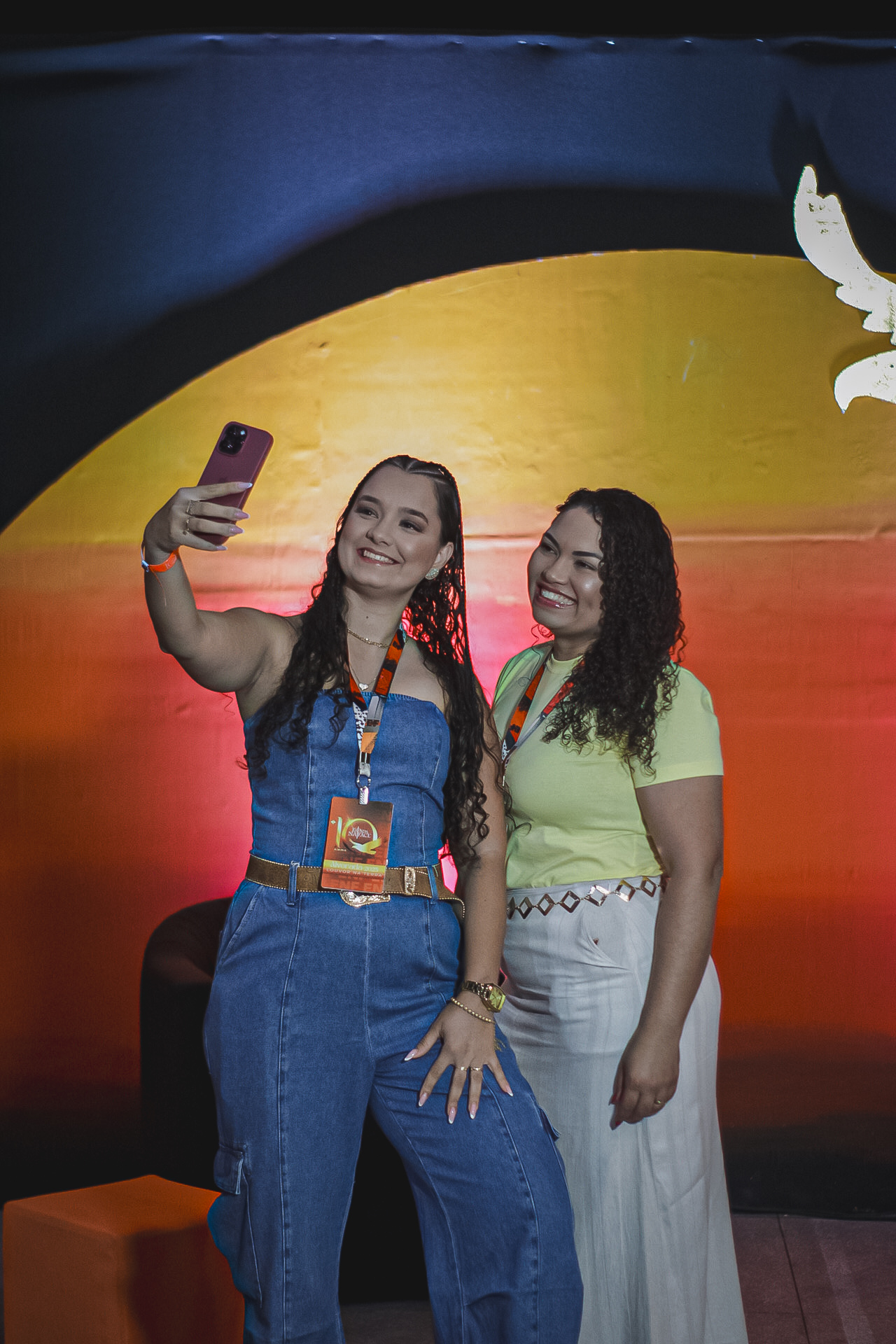
Inscrições abertas
Experiência completa com hospedagem inclusa.
Siga as instruções abaixo para garantir a sua participação no Congresso Espada na Face 2026.
Escolha a modalidade de acesso ideal para você: o Ingresso Simples, o Ingresso Especial, o Ingresso Premium ou um dos nossos Pacotes com Hotel (que incluem 2 diárias de hospedagem com café da manhã em hotel parceiro).
Realize o pagamento de forma rápida e segura através de PIX ou no Cartão de Crédito. Oferecemos a flexibilidade de pagamento à vista ou parcelado, garantindo maior comodidade e facilidade.
Após a confirmação do pagamento, você receberá um e-mail contendo o seu voucher oficial de acesso. Guarde esse documento com cuidado e apresente-o na entrada do evento junto com seu documento com foto.
Os pais deverão preencher autorizando a hospedagem do menor com o acompanhante informado, devendo reconhecer firma com uma semana de antecedência, documento que deverá ser apresentado ao hotel no momento do check-in.
BAIXAR MODELOVem de outro estado? Junte-se a uma de nossas caravanas oficiais.
Muitos participantes vêm de diversas regiões do Brasil para vivenciar o Congresso Espada na Face. Selecione um dos estados destacados abaixo para entrar em contato com o representante oficial:
Sua região não tem caravana? Fale com a nossa equipe para te ajudarmos:
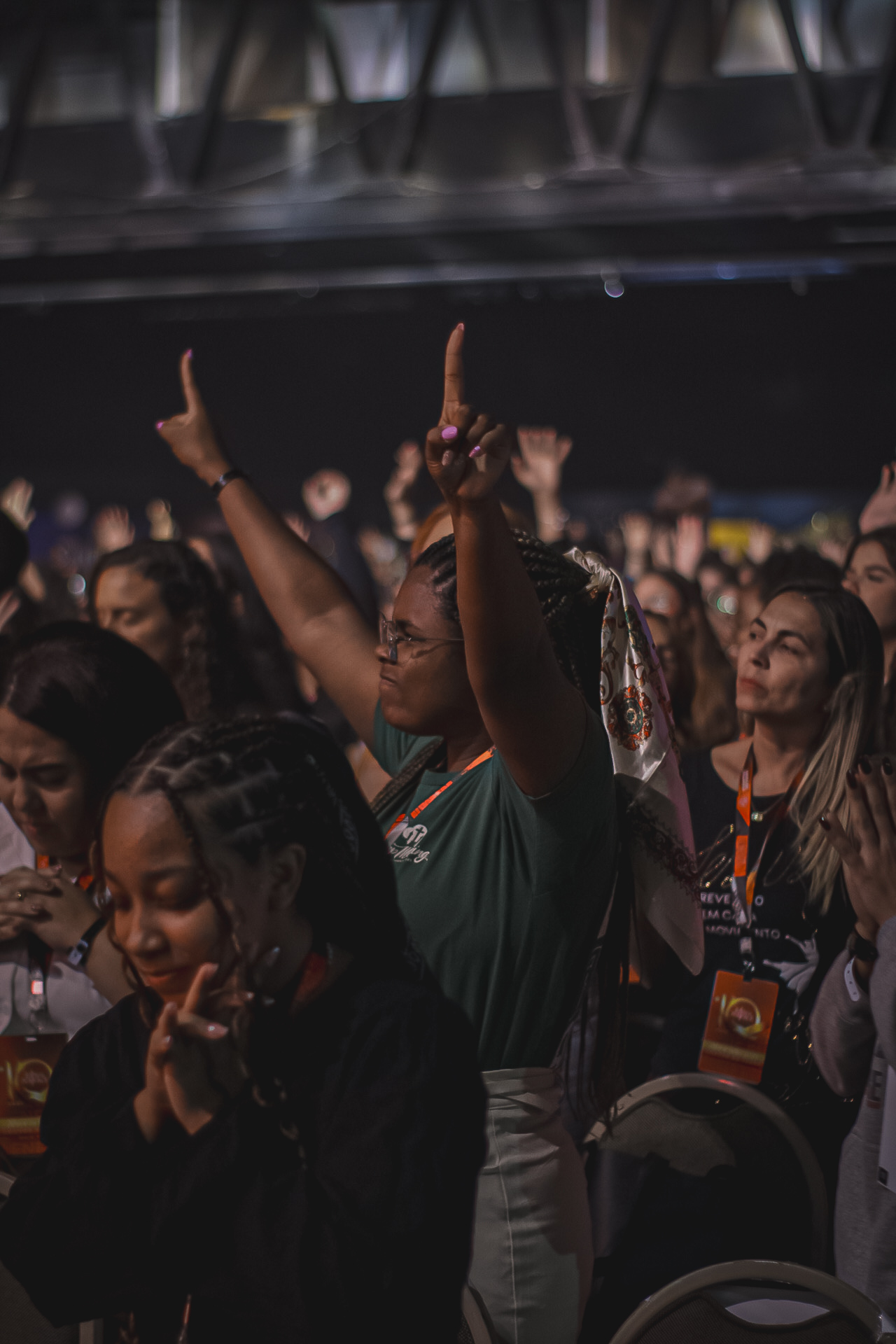
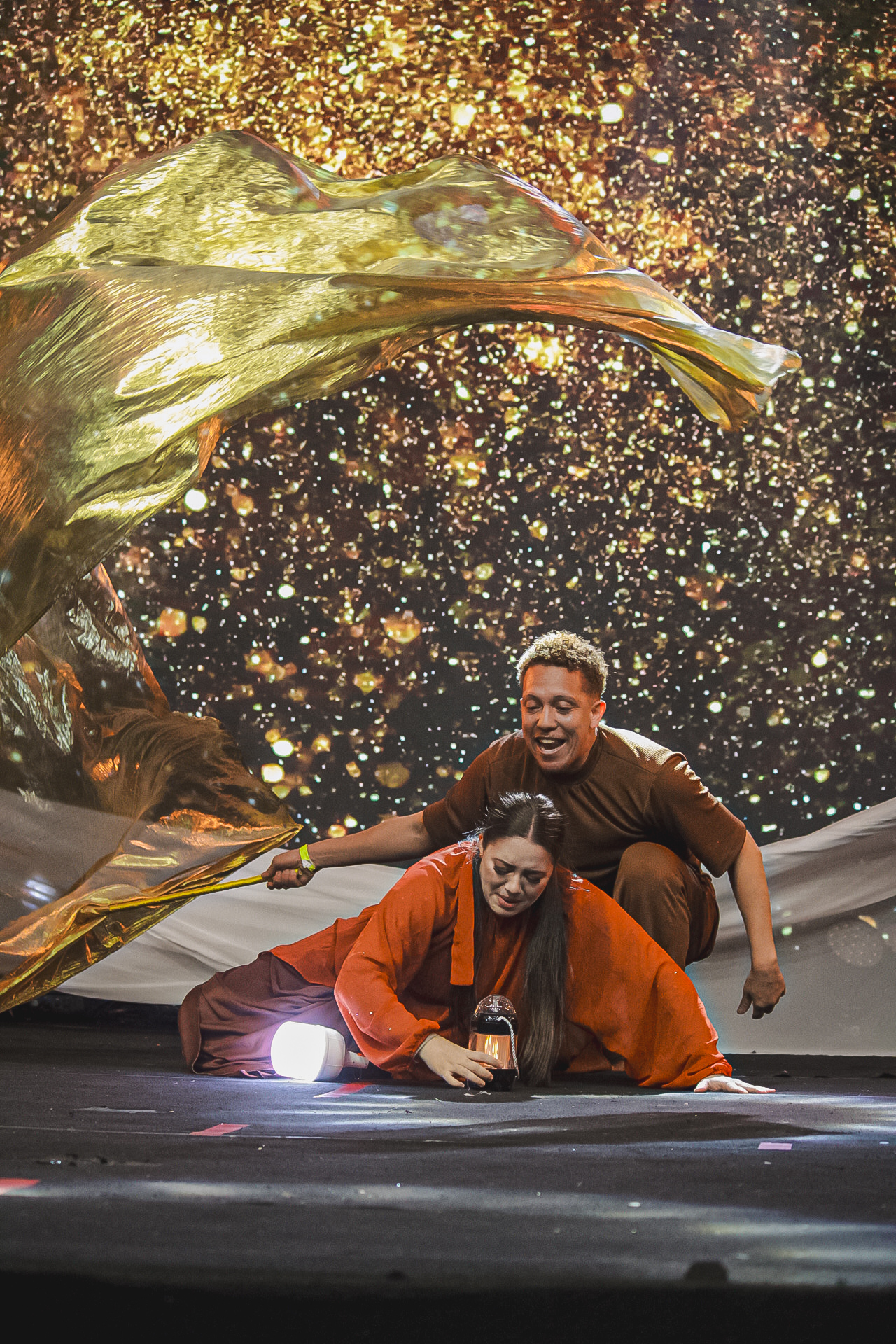
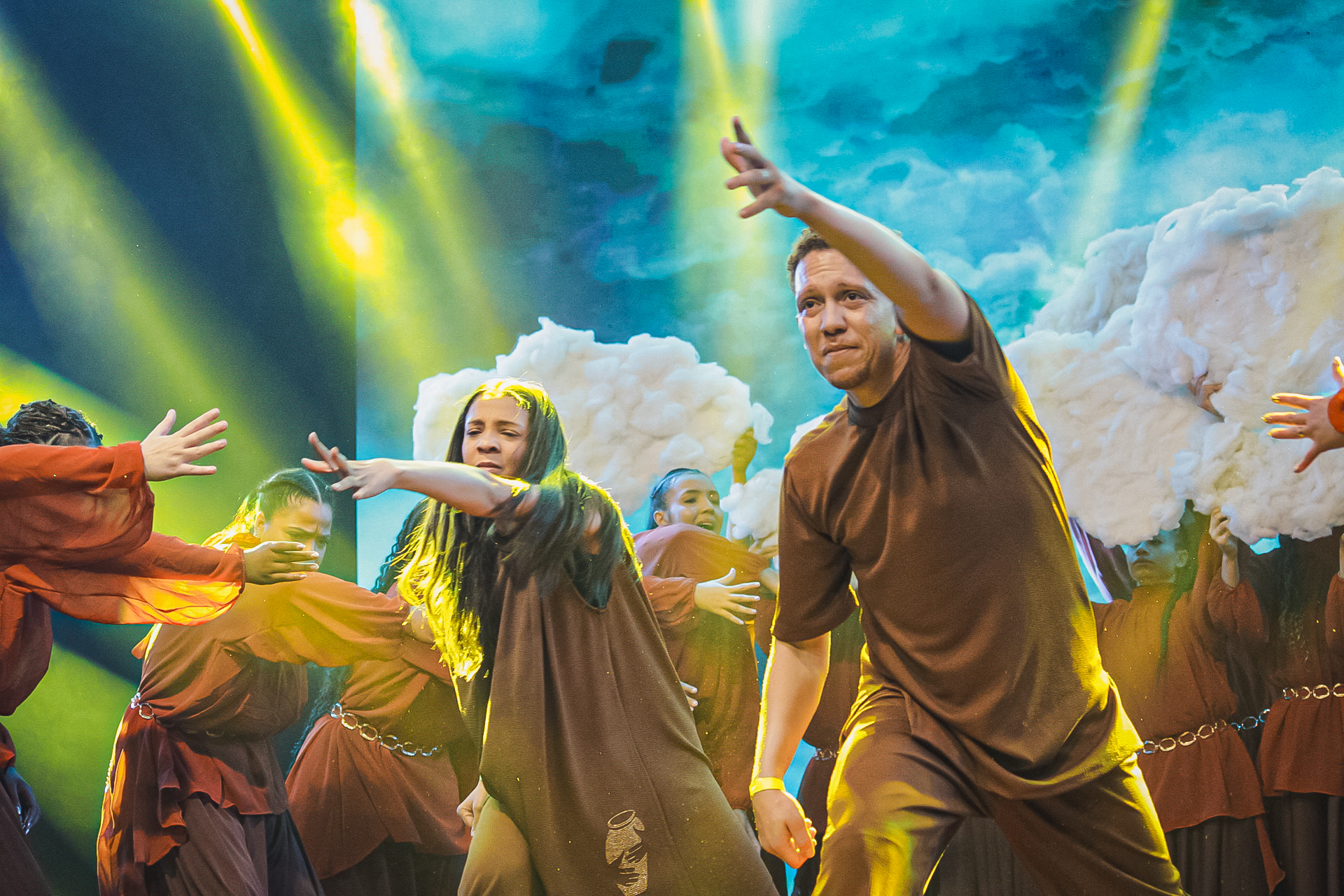
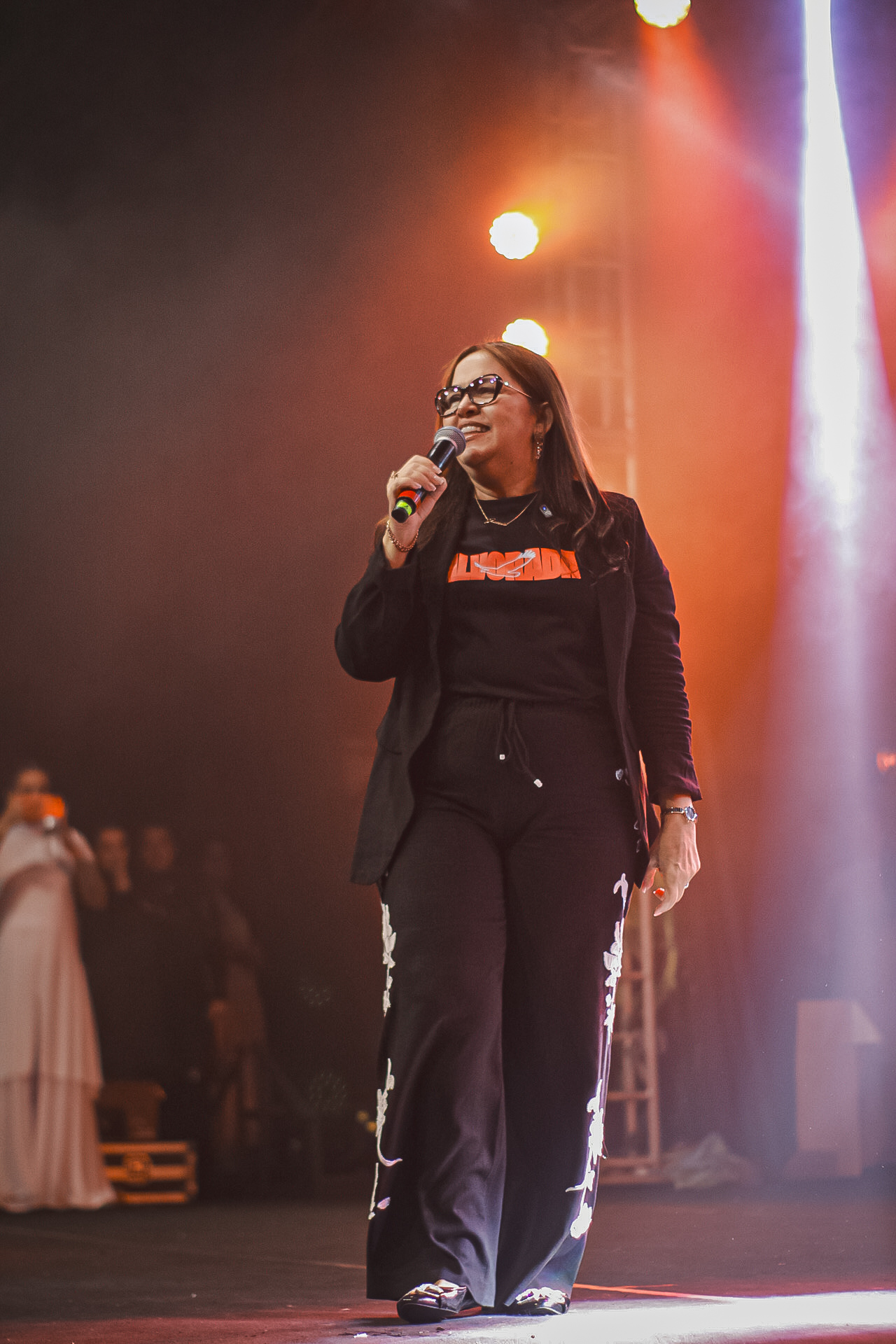
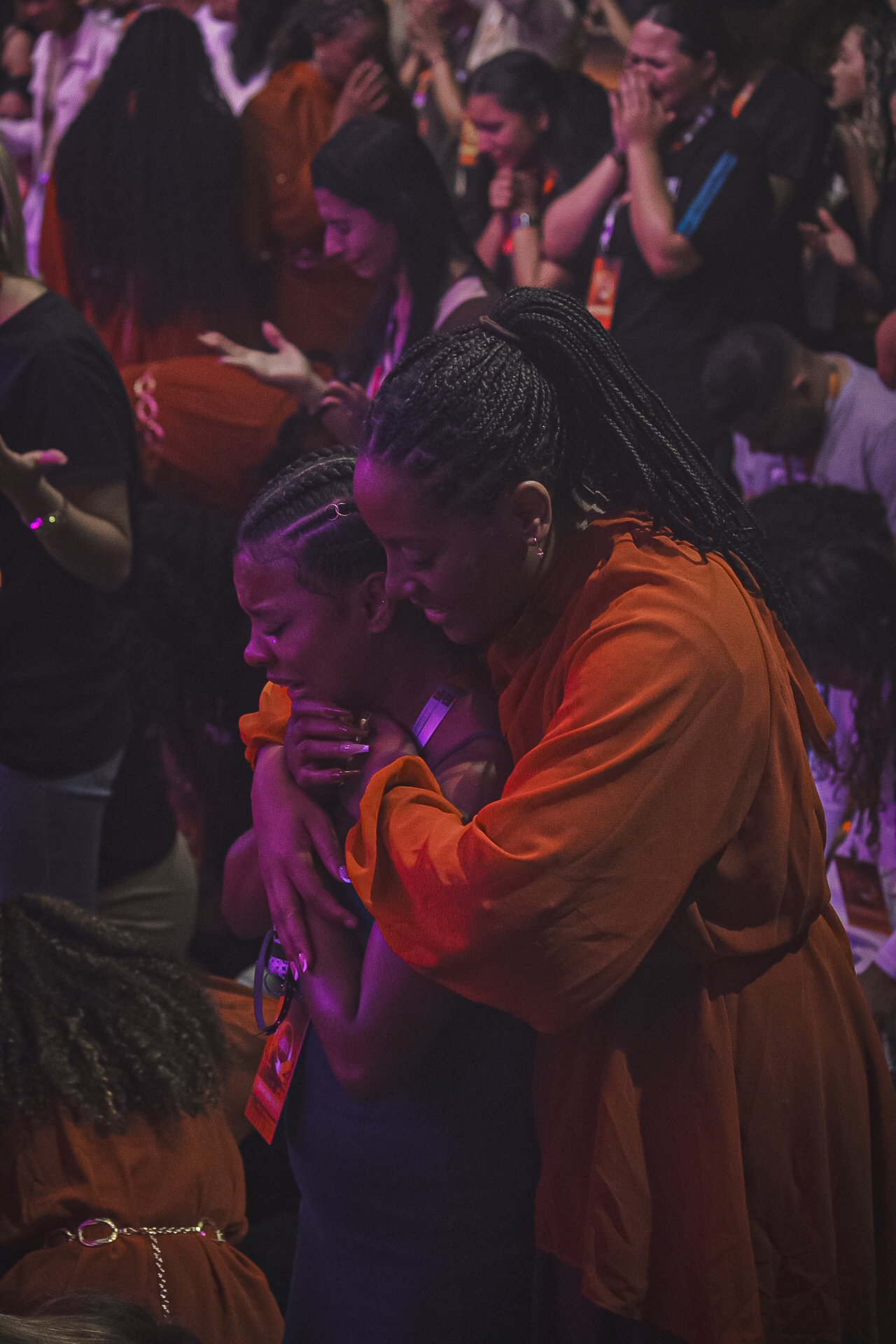
FALAR COM A EQUIPE GERALRelembre a atmosfera profética, a adoração e a entrega de edições passadas do Congresso Espada na Face.


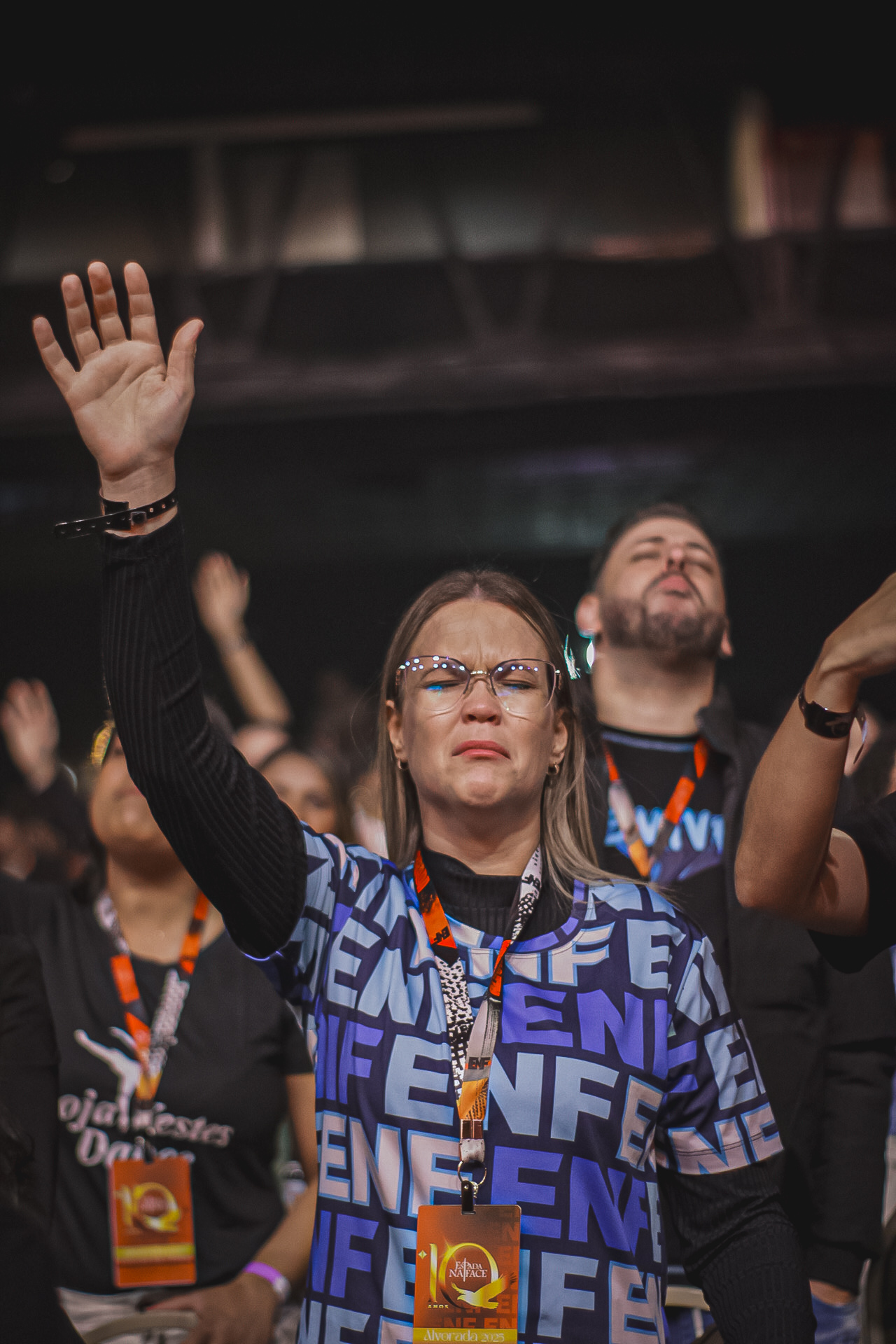
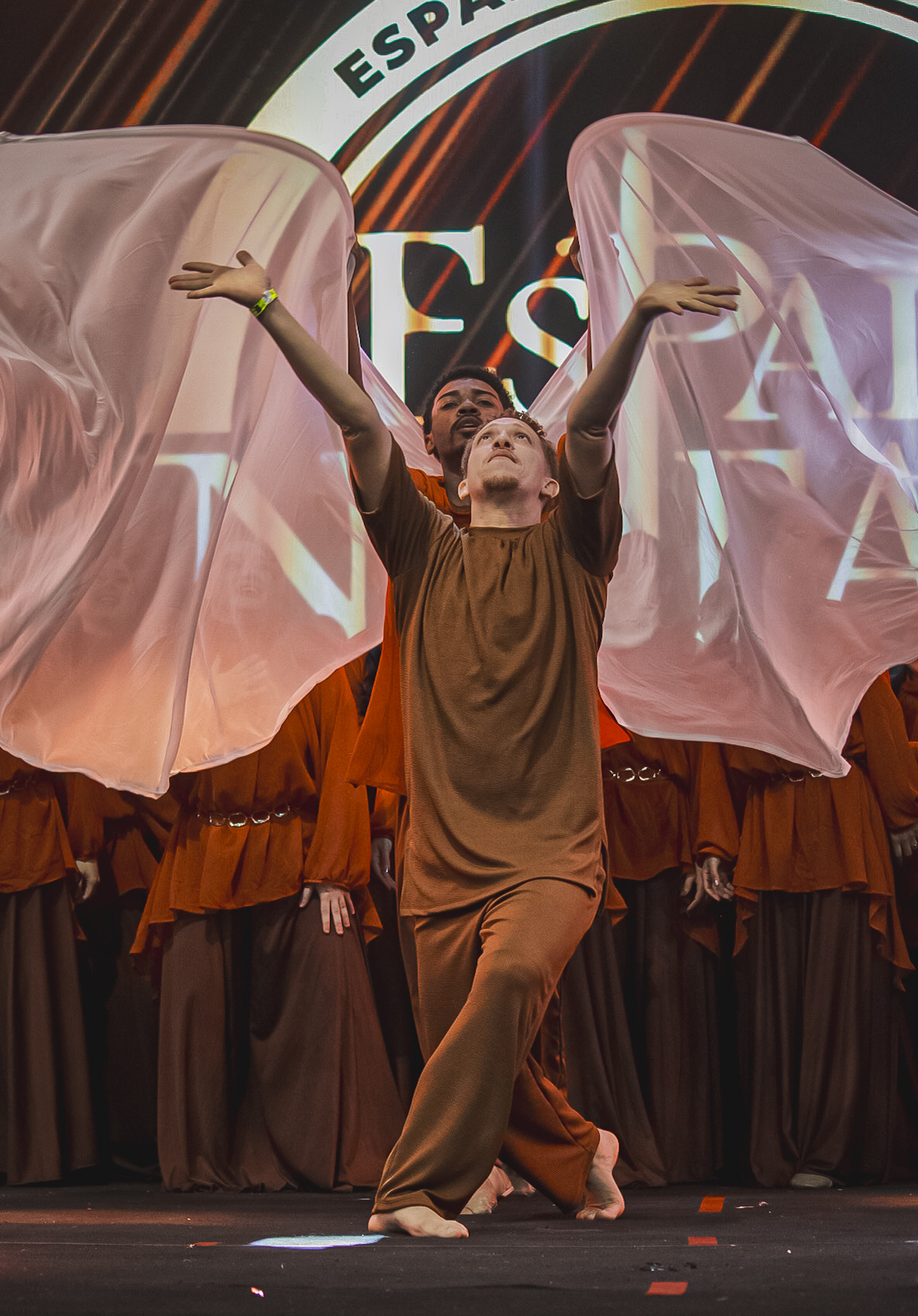
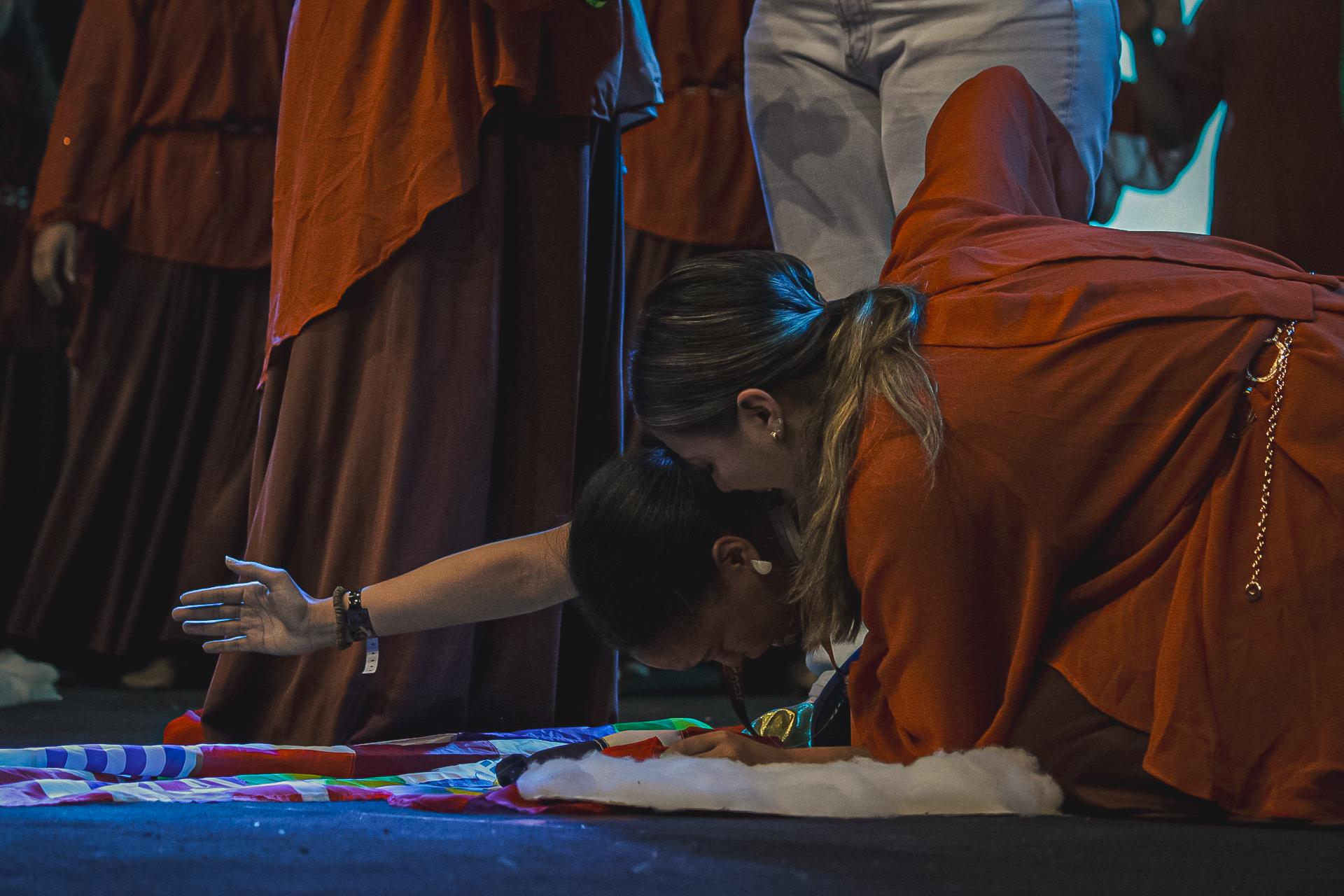
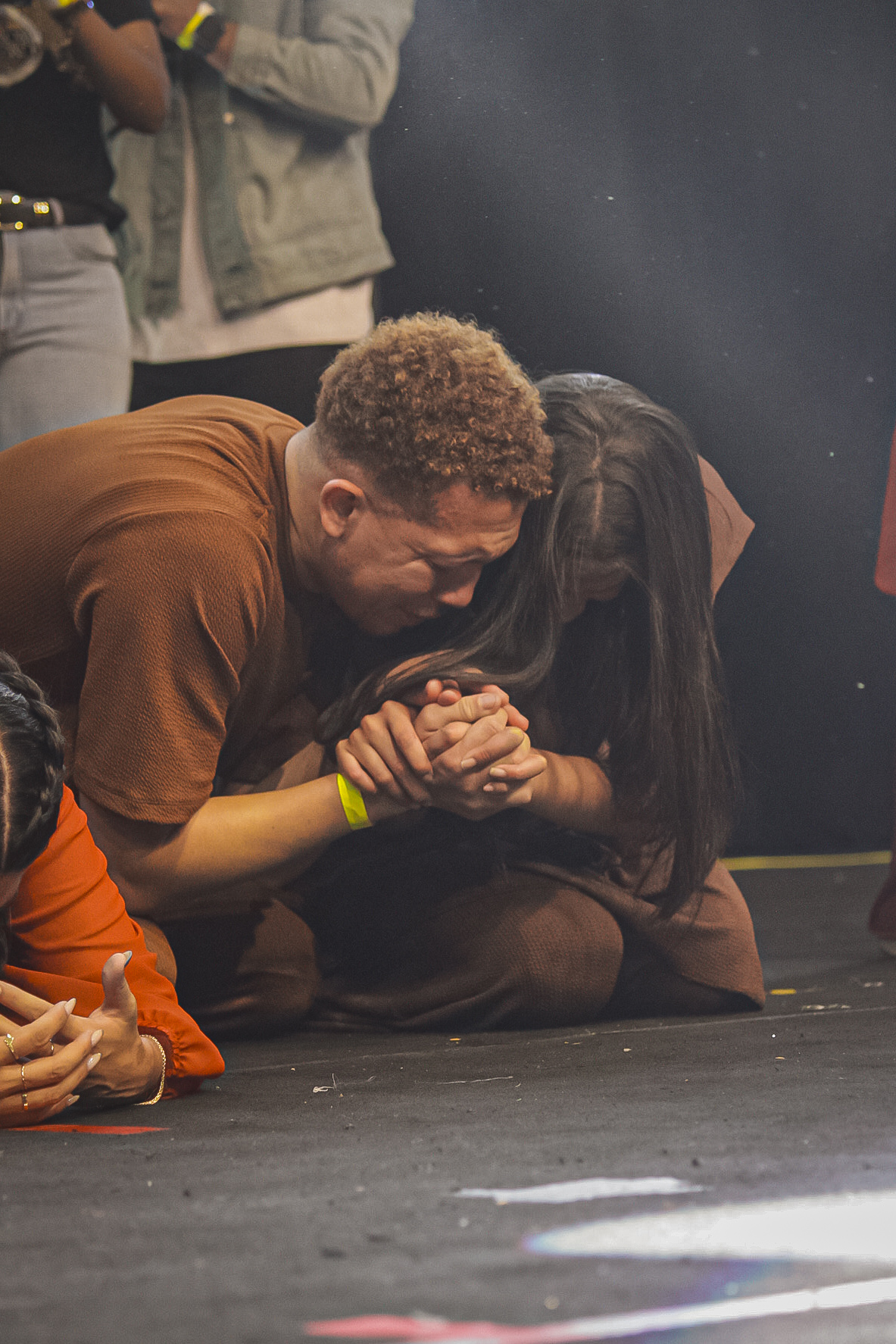
Espaço Hall - Rio de Janeiro, Av. Ayrton Senna, 5850 - Gardênia Azul, Rio de Janeiro - RJ, 22775-005.
Entre em contato com a nossa equipe de suporte através do link de atendimento para resolvermos sua situação o mais rápido possível.
O evento é recomendado para participantes a partir de 12 anos.
Sim, a transferência de inscrição é permitida até uma data específica. Por favor, consulte o regulamento do evento para mais informações.
O cancelamento é possível até determinado prazo. Consulte nossa política de cancelamento para detalhes.
É necessário apresentar um documento de identificação válido com foto.
Ao chegar no evento, você receberá o seu kit contendo o crachá e a pulseira oficial. Se você comprou um Pacote com Hotel, a nossa equipe estará fazendo a recepção diretamente no hotel e você receberá o seu kit lá!
Se você tem qualquer outra dúvida sobre o evento, nossa equipe está pronta para ajudá-lo. Não hesite em nos contatar. Para uma resposta rápida, clique no botão abaixo.
CHAMAR NO WHATSAPP